Tuatara Survey on Tiritiri Matangi Island
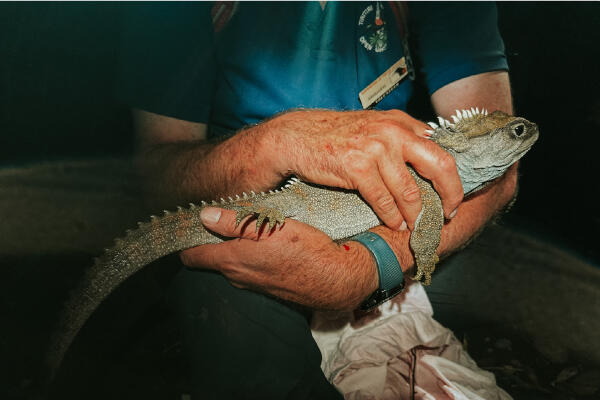
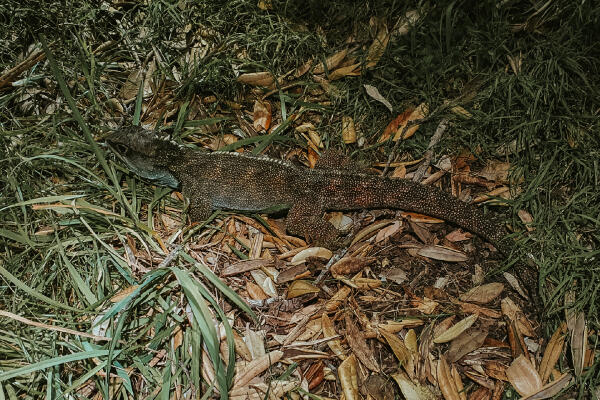
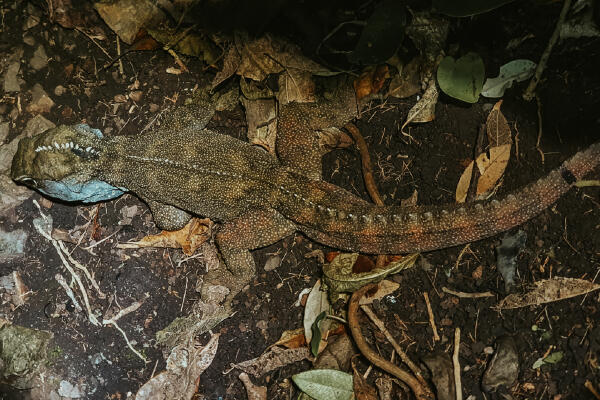
2023 population survey in Tiritiri Matangi Island.
To access our website, please confirm that you are 18 years or older and of legal drinking age. Any purchases you make must be for personal use only.

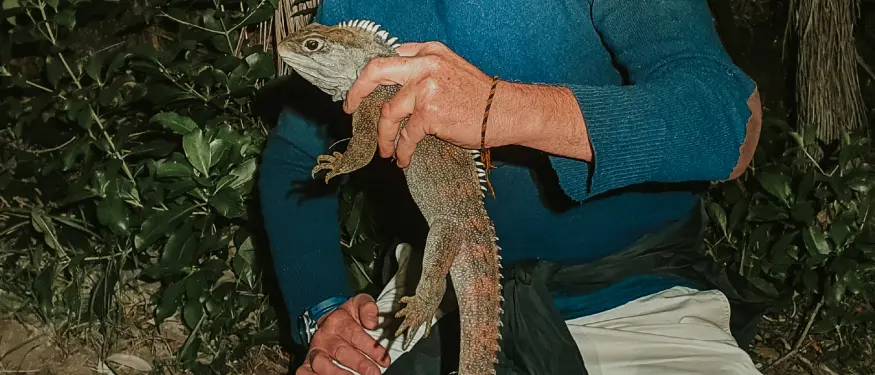
2023 population survey in Tiritiri Matangi Island.
Twenty years after tuatara were reintroduced to Tiritiri Matangi Island, a major population survey funded by Spinyback Wines helped confirm the long-term success of the species on the island. 🦎🌿
The survey was conducted by ecologist Dr Graham Ussher and his team and marked an important milestone in the reintroduction of tuatara, being 20 years since the transfer from Middle Island in the Mercury Islands (off the Coromandel Peninsula) back to Tiritiri Matangi Island.
During the survey, researchers captured and tagged 73 unique tuatara, including 28 recaptures, for a total of 101 tuatara encounters. The largest tuatara recorded measured 1,100g and 642mm from snout to tail tip, while the smallest weighed just 80g and measured 295mm. Researchers also encountered 10 founding tuatara from the original 2003 release, with nine still identifiable through pit tags.
The survey results provided valuable insights into the health of the population, suggesting a stable and genetically diverse group that has continued breeding consistently since reintroduction. Tuatara of all sizes were observed, from smaller island-born individuals through to large mature adults, highlighting the healthy state of the ecosystem.
Researchers also noted the condition of the animals, describing them as plump, fit, and healthy — a reflection of the abundant insect life and thriving habitat supported by more than 40 years of restoration work by the Department of Conservation, Supporters of Tiritiri Matangi Incorporated, and volunteers.
Because tuatara grow slowly and can live for more than 100 years, long-term monitoring plays an important role in helping conservation groups understand population health, breeding success, and long-term sustainability.
Originally reintroduced to Tiritiri Matangi Island in 2003 after nearly a century of absence, the species has clearly thrived on the island. The survey’s success is a testament to the ongoing efforts of the Tiritiri Matangi Tuatara Conservation Project team and the wider conservation community working to preserve this living link to New Zealand’s prehistoric past.