Tuatara Return to Nelson
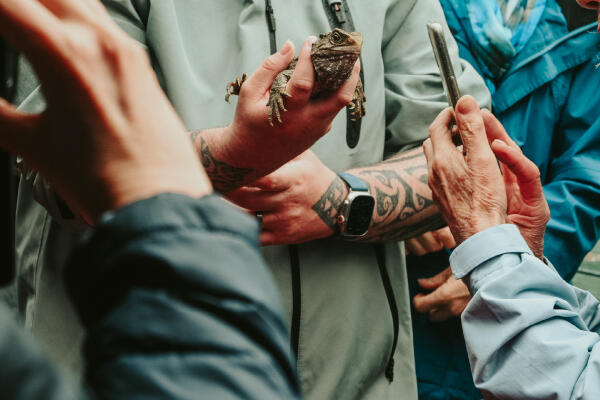
In November 2024, 56 tuatara were successfully translocated into the Brook Waimārama Sanctuary.
To access our website, please confirm that you are 18 years or older and of legal drinking age. Any purchases you make must be for personal use only.

In November 2024, 56 tuatara were successfully translocated into the Brook Waimārama Sanctuary.

For the first time in more than a century, tuatara have returned to the wilds of Whakatū, Nelson.
Spinyback Wines proudly helped fund the translocation of 56 tuatara into the Brook Waimārama Sanctuary — marking the first-ever release of these ancient reptiles to a mainland site at the top of the South Island.
The tuatara were sourced from conservation facilities around New Zealand, including Natureland, Wellington Zoo, Wildbase Recovery in Palmerston North, and the West Coast Wildlife Centre, with some individuals originating from Stephens Island / Takapourewa.
The project builds on Spinyback’s ongoing support of tuatara conservation efforts, including funding towards the mouse-proof fence enclosure at the Brook Waimārama Sanctuary and supporting a successful tuatara population survey on Tiritiri Matangi Island.
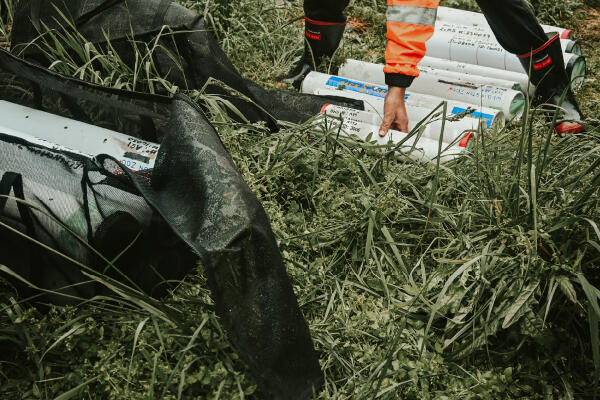
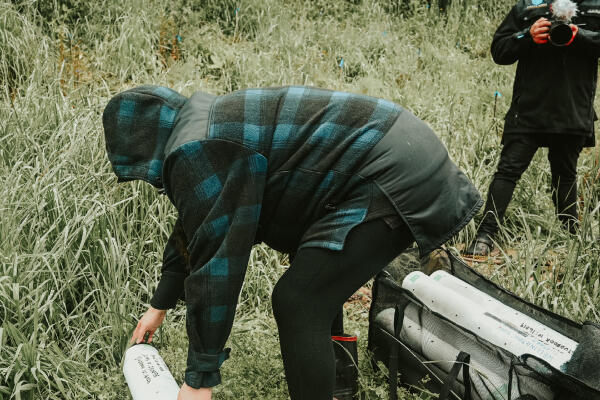
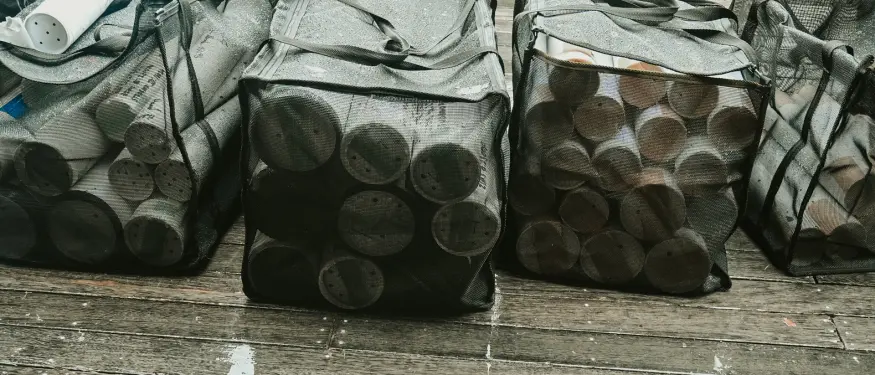
The translocation represents a major achievement for the Brook Waimārama Sanctuary, working alongside Ngāti Koata — kaitiaki of the species — and local conservation groups. Over the past year, sanctuary staff and volunteers prepared a specially designed 3.7-hectare mouse-free enclosure by constructing predator-proof fencing, removing invasive species, and creating suitable burrows for the incoming tuatara.
“This is a significant milestone for conservation in the top of the South Island,” said Ru Collin, then Chief Executive of Brook Waimārama Sanctuary. “Our dedicated team of staff and volunteers have worked tirelessly to create a safe haven for these incredible creatures, and with the support of our partners and funders, we're helping ensure the survival of one of New Zealand's most unique species.”
Because conservation is about far more than simply relocating animals. Creating safe ecosystems requires years of habitat restoration, long-term monitoring, predator management, and ongoing biosecurity efforts to ensure species like the tuatara can continue to thrive for generations to come.